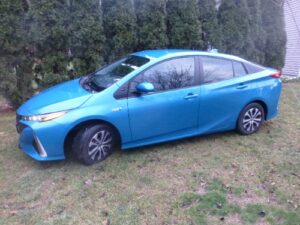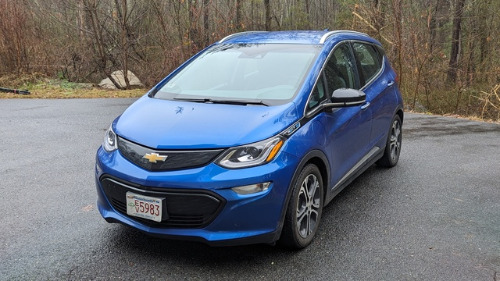
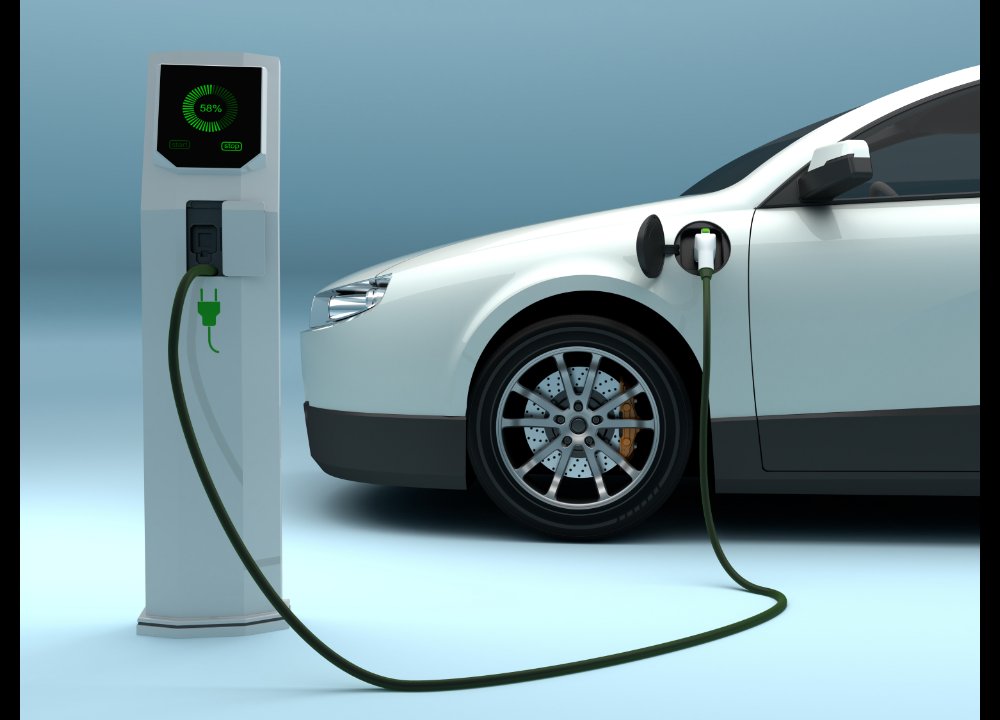
Why drive an EV (electric vehicle)? EVs are less expensive to operate and maintain than fuel cars (say goodbye to oil changes), and they are fun to drive! Also, you can conveniently charge your car at home, or at the growing number of charging stations in Massachusetts and beyond — so no more stops at gas stations. Plus, there are a lot of great choices on the market now; check out the many options to buy through Drive Green and lease through PlugStar.
Most importantly, driving an EV is one of the most impactful ways to reduce your emission of greenhouse gasses and harmful pollutants. For those subscribed to the Standard option of Acton Power Choice (the Town’s electricity supply program), the average reduction from each switch from a gas-powered vehicle to an EV is approximately 2.6 tons/year of CO2 equivalent. Your individual impact will depend on the particular car model you drive, how much you drive, and other factors.
If the electricity that powers the EV is generated by renewable, carbon-free sources, then you have taken an even bigger step to limit emissions, totaling approximately 4 tons per vehicle on average. (See Franklin’s 100% green electricity option, Franklin Community Choice Power Supply Program FCCPSP) Electrifying your ride is the biggest single step most families can take to support Franklin’s mobilization to achieve net zero carbon emissions.
Common Terminology (all those funky acronyms)
BEV: Battery Electric Vehicle. Powered completely by an electric battery that requires plug-in recharging. Also called an EV or Electric Vehicle. 23 BEVs qualify for a $3500 rebate via Massachusetts’ MOR-EV Program. For a list of eligible vehicles and further details, please visit MOR-EV.ORG by clicking here.
PHEV: Plug-in hybrid electric vehicle. Plug-in hybrids are part electric and part gasoline. It uses a larger battery that is charged with a 120-volt or 240-volt outlet. Once the battery depletes, a PHEV drives much like a conventional hybrid car. 15 PHEVs qualify for a $1500 rebate via Massachusetts’ MOR-EV Program. For a list of eligible vehicles and further details, please visit MOR-EV.ORG by clicking here.
HYBRID: A hybrid vehicle combines at least one electric motor and battery with a gasoline engine to power the car, and its system recaptures energy via regenerative braking. A hybrid vehicle typically runs on electric power until the battery is nearly depleted, and then the car automatically switches over to use the Internal Combustion Engine. There are no plug-in capabilities.
ICE: Internal Combustion Engine: typically runs on gasoline or other combustible materials. The only battery on an ICE engine powers the lights and the starter etc.
How much does an EV cost? There is a broad range of EV pricing, as is true for gas-fueled vehicles. However, there are significant rebates available through the State of Massachusetts ($1,500–$3,500), as well as federal tax credits. On top of this, Drive Green, a program of the Boston-based Green Energy Consumers Alliance, saves even more. Drive Green arranges, with Massachusetts car dealerships, provision of very substantial discounts on the purchase or lease of many brands and models of EVs. These deals change every month, so be sure to check often. There is more information on costs and savings under the Deep Dive tab.
Want to lease? Many drivers do opt to lease electric cars because the technology improves every few years. As noted, PlugStar offers substantial discounts on leasing through local car dealerships. If you lease a car, the leasing company gets the federal tax credit, which is why several dealers are offering very attractive leasing options.
From costs to maintenance to environmental stewardship, there are many great reasons to switch to EVs!